
Summarize this blog article with AI:
 Ask ChatGPT
  Ask Grok
  Ask Perplexity
  Ask Claude
  Ask Google AI
 As data security and privacy concerns intensify in the digital age, businesses are increasingly turning to sovereign cloud solutions to meet evolving regulatory requirements and enhance data protection. Sovereign cloud services are designed to address issues related to data sovereignty, cloud compliance, and cloud security compliance, ensuring that business data is stored and managed within specific geographic boundaries governed by local laws. This article explores the concept of sovereign cloud, its importance, benefits, and the critical role played by cloud service providers like AWS, Microsoft, and Sangfor in shaping this rapidly growing space.
The recent Cloud and AI Development Act (CADA) introduced by the European Commission marks a significant shift in how cloud computing and artificial intelligence will be regulated across Europe. This new regulatory framework adds urgency to businesses' efforts to ensure that their cloud services comply with regional data sovereignty laws, making it more critical than ever to adopt sovereign cloud solutions.
What is Sovereign Cloud?
Sovereign cloud refers to cloud services specifically designed to comply with the data sovereignty laws of a particular country or region. Unlike traditional cloud services that may store data across global locations, sovereign cloud solutions ensure that data is stored, processed, and managed within the borders of a single nation or jurisdiction.
This cloud infrastructure enables businesses to control where their data is stored and ensures compliance with local data protection laws, such as the General Data Protection Regulation (GDPR) in Europe. Additionally, sovereign cloud services comply with CADA, which aims to give Europe greater control over its cloud and AI ecosystems, ensuring that sensitive data remains secure and within the jurisdiction of relevant legal frameworks.
Sovereign Cloud vs. Traditional Cloud Services
Traditional cloud providers, such as AWS and Microsoft Azure, typically store data in multiple global data centers. While this distributed model offers scalability, it can present challenges for businesses that need to comply with local data sovereignty laws. For example, businesses under GDPR are required to store EU citizens’ data within EU borders.
Sovereign cloud services, however, localize data storage and management within specific jurisdictions. Examples of these services include AWS Europe (Frankfurt) and Microsoft Azure Sovereign Cloud, which are designed to meet the compliance needs of businesses operating in regulated regions.
Why is Sovereign Cloud Important?
As data security breaches and privacy concerns continue to rise, sovereign cloud has become a critical solution for businesses. Several key factors underscore its importance:
-
Data Breaches and Privacy Concerns
Data breaches in recent years have exposed vulnerabilities in cloud environments. Sovereign cloud ensures that sensitive business data remains protected within local jurisdictions, minimizing the risk of unauthorized access by foreign entities or governments. This protection is particularly crucial for industries handling sensitive data, such as healthcare, finance, and government.
Recent cloud service outages, such as the Microsoft Azure outage and the Amazon AWS disruption in October 2025, further underscore these vulnerabilities. These incidents affected multiple industries and raised significant concerns about data privacy and security. They highlight the risks of traditional cloud services, particularly in environments that require strict compliance and protection of sensitive data. Sovereign cloud, by ensuring data remains within local borders, offers stronger data protection and compliance, helping organizations mitigate these risks and maintain control over their data.
-
Legal and Compliance Requirements
With national and international data protection regulations becoming stricter, businesses must ensure compliance with laws such as GDPR. The Cloud and AI Development Act emphasizes the need for data sovereignty within the European Union, requiring companies to align their cloud and AI systems with new regulations to safeguard data and ensure ethical AI usage.
-
Cybersecurity and National Security
The increasing threat of cyber-attacks and the rise of geopolitical tensions have made national security more critical. Sovereign cloud solutions help mitigate risks associated with external surveillance, foreign government access to data, and cyber-espionage. By keeping data within local borders, businesses can safeguard themselves against foreign threats.
Benefits of Sovereign Cloud
Adopting a sovereign cloud model provides several significant benefits:
-
Enhanced Data Privacy and Security
Sovereign cloud services offer greater control over where and how data is stored, helping businesses mitigate risks associated with unauthorized access. This is especially important for businesses operating under strict data protection laws (for example, Data Protection in the EU) and regulatory requirements.
-
Compliance with Local and International Laws
Sovereign cloud solutions simplify compliance with laws like GDPR, CADA, and other national regulations. These solutions ensure that businesses' data is stored and processed within the legal boundaries of specific jurisdictions, helping companies avoid penalties and reputational damage.
-
Trust and Transparency
With growing concerns about how personal data is handled, businesses that adopt sovereign cloud can build stronger trust with customers. By ensuring that data is managed according to local laws, businesses can demonstrate their commitment to transparency and data privacy, giving them a competitive edge.
-
Reduced Risk of Data Access by Foreign Governments
A key concern with traditional cloud services is the risk of foreign governments gaining unauthorized access to sensitive data. Sovereign cloud mitigates this risk by ensuring that data remains under the jurisdiction of local laws, limiting access from external entities.
What Should Businesses Do?
Transitioning to sovereign cloud requires thoughtful planning and execution. Here’s a roadmap for businesses:
-
Assess Data Residency Requirements
Whether a business needs sovereign cloud depends on factors such as its industry, data type, operational regions, and the legal and compliance requirements it faces. For businesses that don't handle sensitive data or aren't subject to strict data sovereignty regulations, traditional cloud service providers like AWS and Microsoft Azure are often sufficient. However, businesses dealing with sensitive data, needing to comply with specific laws (such as GDPR), or operating in regions with stricter data sovereignty laws should consider sovereign cloud solutions. Therefore, businesses should first assess their data residency needs and identify where their data must be stored to ensure compliance with cloud compliance and cloud security regulations.
-
Choose the Right Provider
Businesses should evaluate sovereign cloud providers based on their ability to meet compliance and security needs. Leading providers such as AWS, Microsoft, and Sangfor offer sovereign cloud solutions that adhere to specific regulatory environments. Key considerations when selecting a provider include data residency, certifications, security features, and customer support.
-
Plan for Migration
Migrating to sovereign cloud requires a clear strategy for moving sensitive data and applications while minimizing operational disruptions. Working with experienced IT teams or cloud migration specialists is essential to ensure a smooth transition.
How Cloud Service Providers Are Adapting to Sovereign Cloud Demands
As demand for sovereign cloud solutions grows, leading cloud providers are adapting their services to meet businesses' compliance and security needs.
-
AWS
AWS offers sovereign cloud solutions through AWS Europe (Frankfurt), which ensures compliance with EU data protection laws, including GDPR. Additionally, AWS provides AWS GovCloud, an isolated cloud region designed for U.S. government agencies to meet strict security and regulatory requirements.
-
Microsoft
Microsoft’s Azure Sovereign Cloud offering focuses on compliance and security by ensuring that data stays within the jurisdiction of local laws. This service helps businesses in the EU comply with GDPR and other privacy regulations. Microsoft also offers government-grade security features to safeguard sensitive data
-
Sangfor Technologies
By supporting private and hybrid cloud architectures, Sangfor HCI ensures data remains within local jurisdictions, meeting compliance requirements like GDPR and mitigating cross-border access risks. Its built-in CDP, disaster recovery options, and WORM storage enhance data security.
Sangfor EDS, Enterprise Distributed Storage (aStor) provides robust protection with immutable backups and anti-ransomware features, ensuring recovery even in the face of cyberattacks. The strategic partnership with Veeam integrates seamless backup and recovery capabilities, boosting data sovereignty and compliance, empowering organizations to stay agile and secure in today’s complex digital landscape.
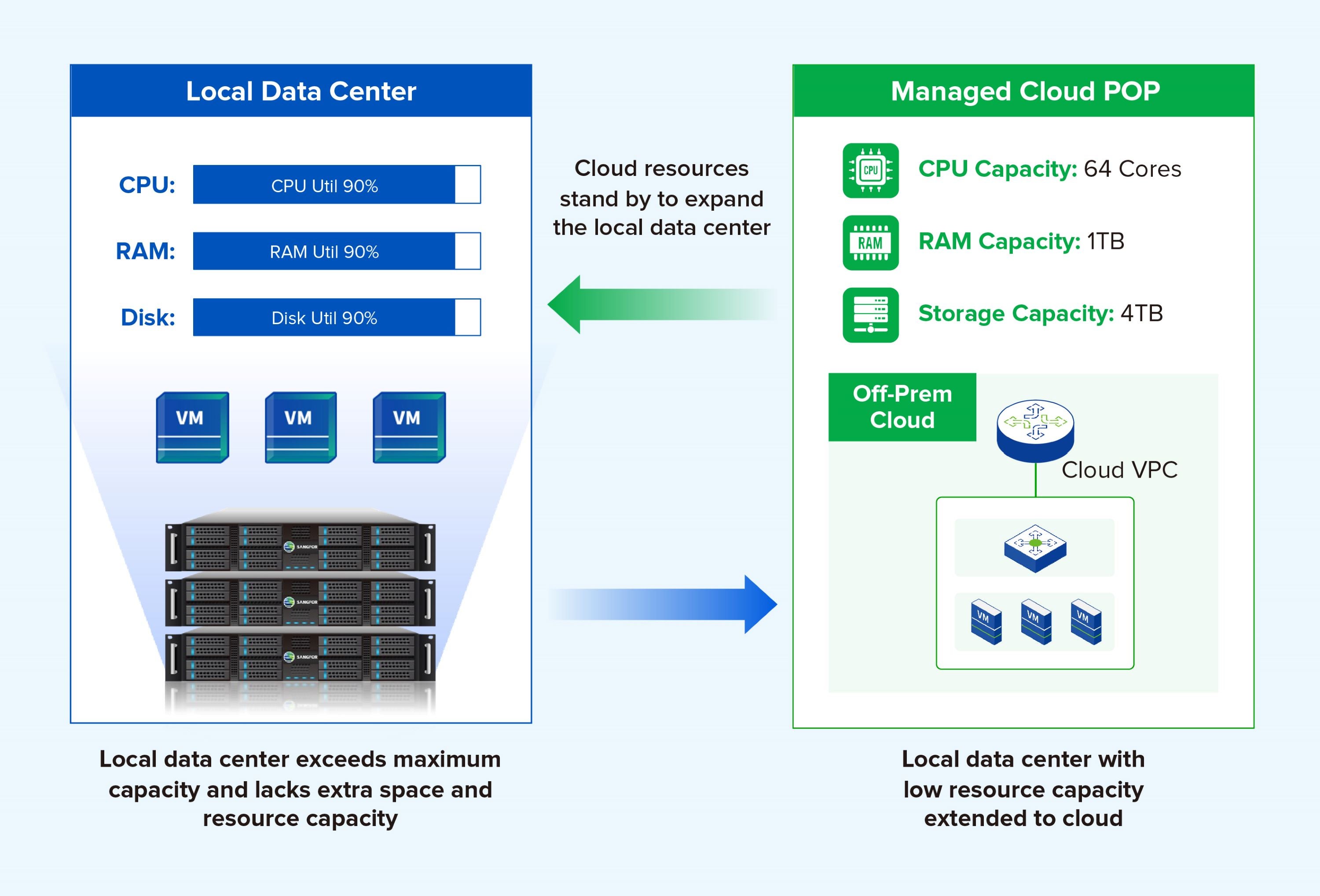
Sangfor HCI Extend Data Center Cloud
Conclusion
Sovereign cloud is increasingly essential for businesses seeking to comply with stringent data sovereignty laws, such as GDPR and the Cloud and AI Development Act (CADA). As data security and privacy concerns grow globally, adopting sovereign cloud solutions ensures that businesses maintain control over their data while complying with national and international regulations.
By choosing sovereign cloud providers like AWS, Microsoft, and Sangfor, businesses can protect their data, enhance customer trust, and meet their compliance obligations. As regulatory frameworks evolve, embracing sovereign cloud will become an even more critical step for ensuring data privacy, security, and operational success.
FAQs
It is a cloud service designed to store and process data strictly within a single country's borders, ensuring full compliance with local data sovereignty and privacy laws.
New regulations like the Cloud and AI Development Act (CADA) and stricter GDPR enforcement require businesses to have localized control over their data to avoid legal penalties.
It prevents unauthorized access by foreign governments and minimizes data exposure risks by keeping sensitive information under local legal jurisdiction.
Sovereign cloud is essential for highly regulated sectors such as Healthcare, Finance, and Government, where data residency is a legal requirement.