
Summarize this news article with AI:
 Ask ChatGPT
 Ask Grok
 Ask Perplexity
 Ask Claude
 Ask Google AI
On November 18 and 19, 2026, Shenzhen is hosting the 33rd Asia-Pacific Economic Cooperation (APEC) Economic Leaders' Meeting, the highest-level event on the APEC calendar. As part of APEC Leaders' Week, the APEC CEO Summit, held on November 17 and 18, brought together government and business leaders from across the Asia-Pacific region. A thematic session on the morning of November 17 explored “Building an Open and Inclusive AI Innovation Ecosystem.”
Building an inclusive AI innovation ecosystem means helping AI create value across more business activities while providing reliable security for those applications. As AI systems gain access to internal data, use other software tools and carry out tasks, organizations must extend security oversight to AI applications themselves. Meanwhile, attackers are using AI to identify vulnerabilities and launch attacks more efficiently, requiring defenders to keep pace with an accelerating threat landscape.
Sangfor addresses these challenges through two complementary approaches:
- AI Securing AI: Protecting large language models (LLMs) and AI agents by making their activities visible, manageable and controllable.
- AI-Powered Defense Against AI-Powered Threats: Using AI to identify and address risks before they are exploited, while strengthening threat detection, investigation and response.
As AI Adoption Accelerates, How Can Organizations Maintain Visibility, Governance, and Control?
AI is becoming a common part of everyday work, from writing code and preparing reports to compiling weekly project updates. Some AI assistants can already read files on employees' computers and use other tools. As these assistants take on more responsibilities, organizations need to understand what information they can access and what actions they may perform.
Consider AI-assisted software development. Source code may contain proprietary algorithms, business rules and API information. If that code is sent to an unauthorized external service, commercially sensitive information could be exposed. As AI assistants begin to use tools and execute tasks, organizations must also consider whether they might take actions users did not anticipate.
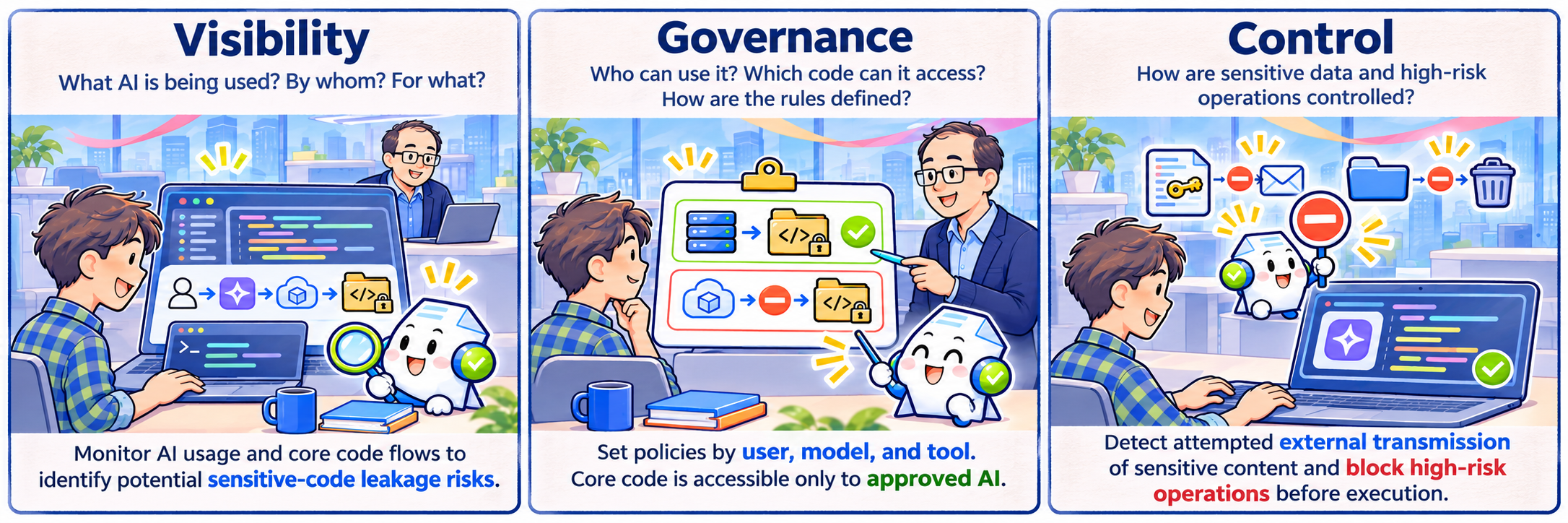
Figure 1. Security Controls for AI-Assisted Coding
Making AI use visible, governable, and controllable can help employees use AI confidently in daily work and enable organizations to deploy it reliably in production. Organizations must be able to identify who uses AI, which models and tools are called, what resources AI can access and which actions it can perform. Security controls should also intervene when sensitive data may be sent to an external service or when a high-risk operation is about to take place.
These safeguards are needed both for AI assistants on employees' devices and for AI agents embedded in business systems. To address different enterprise AI security needs, Sangfor's AI Security Protection Framework combines model security guardrails, agent behavior management, and centralized governance capabilities.
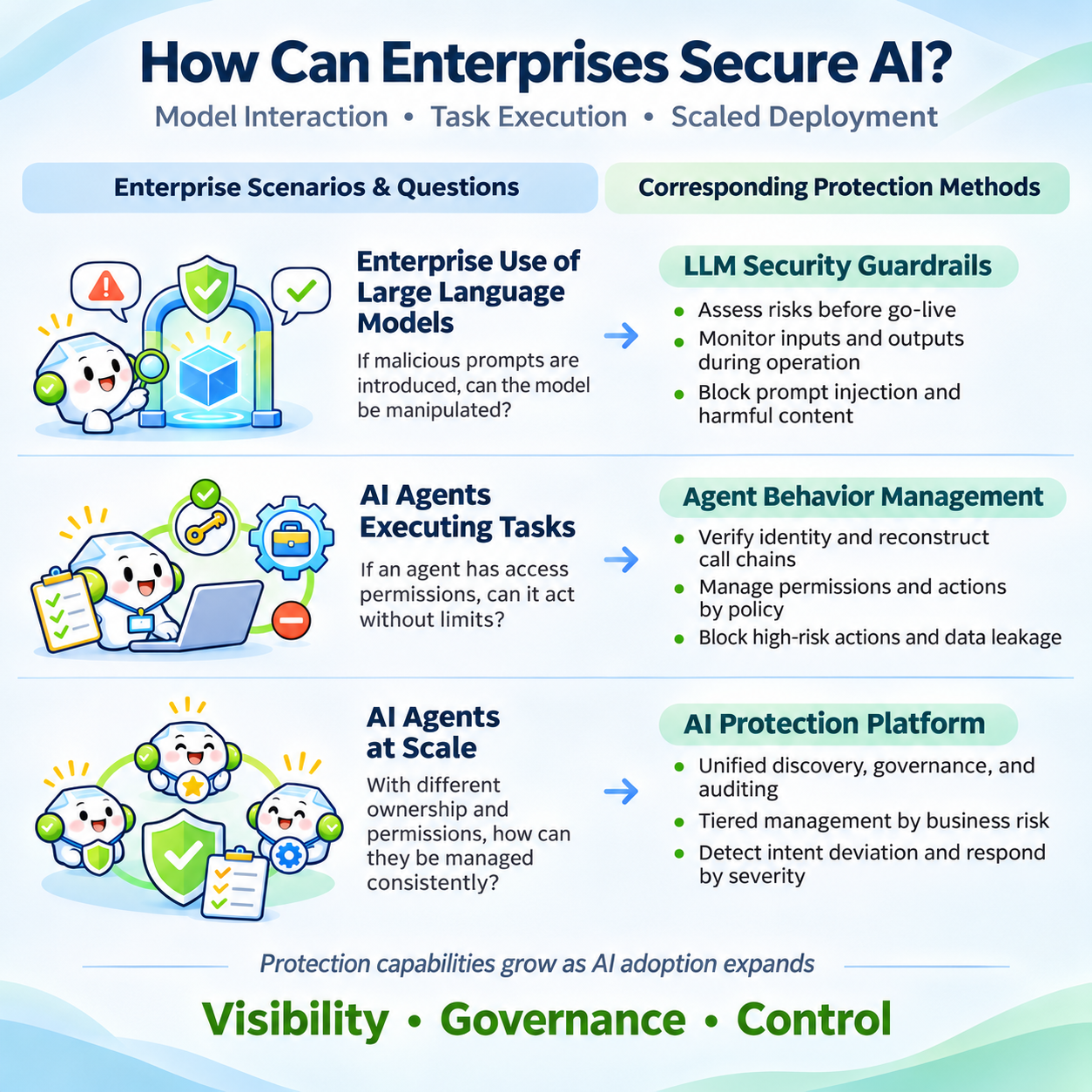
Figure 2. Enterprise AI Risks and Security Controls
To address risks such as prompt injection and harmful content, Sangfor combines pre-deployment risk assessments with LLM security guardrails during operation. As AI agents begin to take action, enterprises must also manage their permissions and behavior. An employee's access rights should not automatically become an AI agent's permissions: authorization to read internal source code does not mean the code can be shared with any external AI model. Similarly, an agent authorized to analyze code should not be permitted to modify production data without separate approval. Agent behavior management applies enterprise access controls and operating rules to individual tasks, helping ensure that agents act within approved boundaries.
As AI agents are adopted across departments and business functions, organizations need clear accountability, governance, and oversight. Through its AI Security Management Platform, Sangfor centrally manages these “digital employees,” applying governance requirements according to business responsibilities and risk levels, and monitoring whether their actions deviate from assigned tasks and intervenes when risks are identified.
This approach has already demonstrated industry recognition. In 2025, Sangfor's LLM security guardrails ranked first in the “Detection of Safety Risks in LLM-Generated Content” category of an evaluation of AI applications in cybersecurity. During China's 2026 Cybersecurity Awareness Week, Sangfor's AI protection solution, which has been deployed in enterprise environments, won first prize in the 2026 China Cybersecurity Innovation and Entrepreneurship Competition.
Can Organizations Reduce Risks Before Attacks Occur?
Protecting AI applications is only one part of the challenge. Enterprises must also defend against attackers who use AI themselves. AI enables adversaries to discover vulnerabilities and identify attack opportunities more efficiently, making the imbalance between offense and defense increasingly significant. Traditional manual security processes struggle to keep pace with changing business environments and expanding attack surfaces. To respond, organizations need to use AI to identify and validate security risks continuously, assess their business impact and prioritize remediation before attackers can exploit weaknesses.
By analyzing existing asset information, network connections and access-control rules, AI can build an enterprise fact graph to assess whether a risk is real, exploitable and likely to affect business operations. Sangfor's AI-Powered Defense Against AI-Powered Threats approach is built upon enterprise fact graphs and attack-path analysis models, enabling continuous validation of risks and simulation of realistic attack paths.
When several attack paths pass through the same critical point, fixing that point first may reduce exposure across multiple paths. Sangfor calls these “critical containment points,” which can help security teams prioritize remediation. Sangfor's stated risk-management objective is:
Remediate 1% of critical nodes to block 99% of the attack surface and achieve a higher return on security investment.
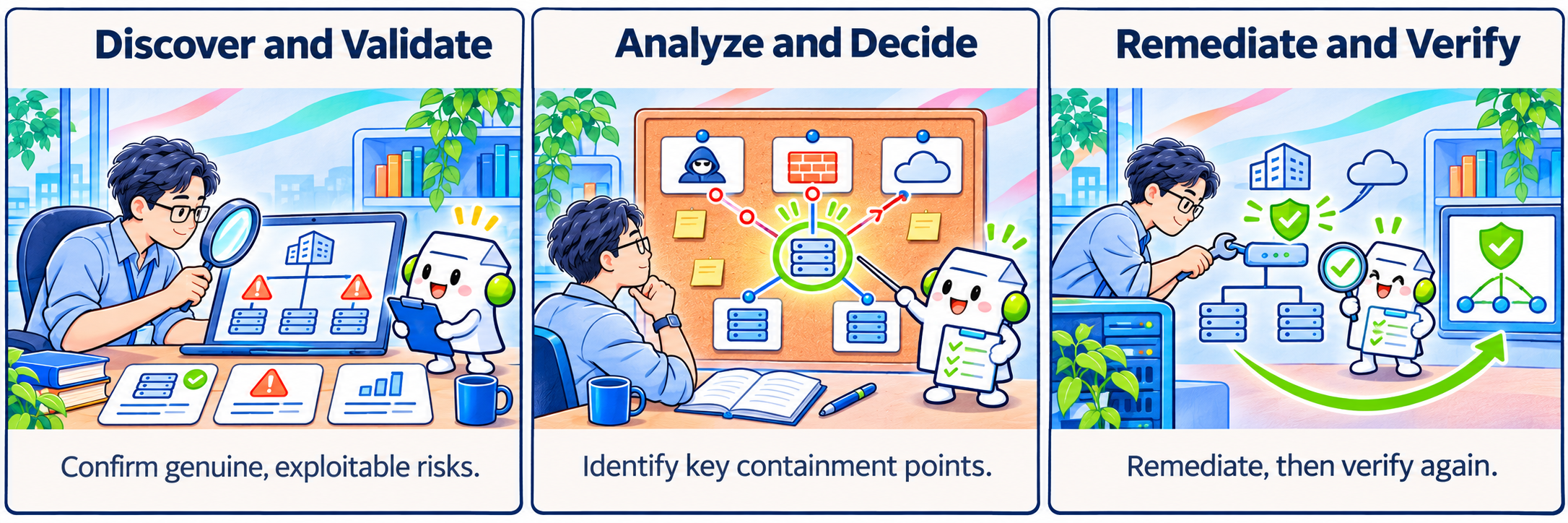
Figure 3. Continuous Risk Management and Remediation
The aim is to use limited remediation resources where they can reduce the greatest amount of exploitable risk. After remediation, security teams validate the relevant attack paths again to confirm that identified risks have been addressed.
Security governance requires both pre-deployment checks and continuous monitoring after systems go live. During development, Sangfor's AI-Powered Code Security Auditing capabilities help identify vulnerabilities, analyze their causes and recommend fixes. Validation and testing then help confirm the effectiveness of those fixes before applications reach production. Together with risk governance in live environments, this approach moves security efforts earlier, before vulnerabilities can be exploited.
As Attacks Accelerate, How Can Defenders Close the Response Gap?
AI significantly reduces the time attackers need to prepare and launch attacks. Defenders must therefore compress their own detection, investigation, and response timelines. In addition to proactive risk governance, organizations must rapidly identify threats, assess impact, and take action before attacks spread further.
Following its AI-Powered Defense Against AI-Powered Threats strategy, Sangfor's AI Security Operations solution uses AI as a native driving force. It integrates security foundation models, multi-source telemetry, automated response capabilities, and expert services into a unified security operations framework. This approach transforms security operations:
- From reactive response to proactive, AI-driven defense
- From isolated AI assistance to AI-native processes across the security lifecycle
- From fragmented workflows to faster, coordinated defense
During threat detection and investigation, AI capabilities such as Sangfor SecurityGPT combine logs, asset information, business context and threat intelligence to help identify previously undetected threats. By correlating alerts, reconstructing incidents and analyzing the evidence, these capabilities turn fragmented signals and large volumes of alerts into actionable security incidents.
During incident response, alert-analysis and intelligent-defense AI agents work together to assess attack evidence and business impact. Within their authorized scope, they can:
- Automatically block confirmed threats.
- Allow legitimate business activities to continue.
- From fragmented workflows to faster, coordinated defense
During threat detection and investigation, AI capabilities such as Sangfor SecurityGPT combine logs, asset information, business context and threat intelligence to help identify previously undetected threats. By correlating alerts, reconstructing incidents and analyzing the evidence, these capabilities turn fragmented signals and large volumes of alerts into actionable security incidents.
During incident response, alert-analysis and intelligent-defense AI agents work together to assess attack evidence and business impact. Within their authorized scope, they can:
- Automatically block confirmed threats.
- Allow legitimate business activities to continue.
- Continue monitoring suspicious activity.
- Escalate complex cases to human experts.
Business weaknesses identified during incident response are then addressed through ticket assignment, remediation and retesting, linking immediate threat containment with the resolution of underlying vulnerabilities.
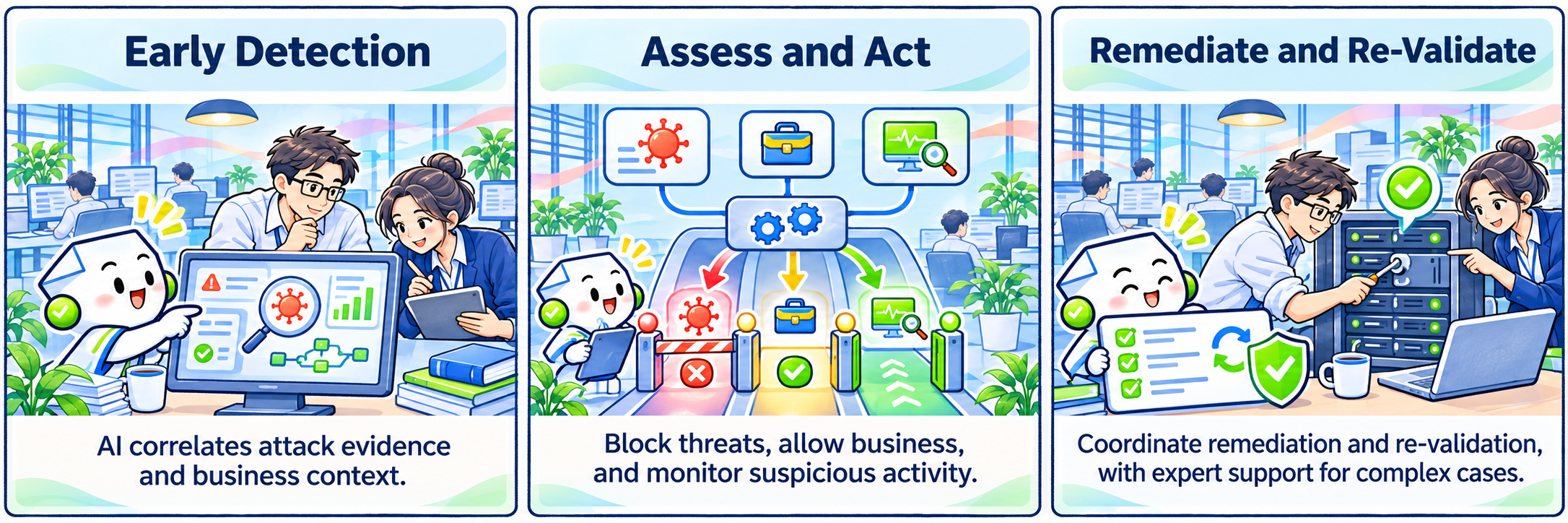
Figure 4. Threat Response and Remediation Lifecycle
The approach has also been tested in practice. During a 2026 cyber defense exercise, one organization using Sangfor's solution automatically blocked an average of approximately 6,000 IP addresses per day. Coordination with its firewall took less than five seconds on average, and the organization issued more than 200 remediation tickets for weaknesses including unauthorized access and weak passwords. This supported a process covering detection, ticket assignment, remediation and retesting.
To date, Sangfor's AI Security Operations solution has served more than 1,600 customers across dozens of industries and sectors, including government, centrally administered state-owned enterprises, financial services, manufacturing, education and healthcare. From 2024 through 2026, the solution supported more than 160 major customers participating in national-level cyber defense exercises, demonstrating how AI-powered security operations can deliver sustained defensive capabilities in practice.
Secure AI Innovation for Shared Prosperity in Asia-Pacific
The theme of APEC 2026 is “Building an Asia-Pacific Community to Prosper Together.” For AI innovation to create value across more industries, organizations must secure LLMs and AI agents in production while managing risks proactively and responding quickly to evolving threats.
Through its complementary approaches of AI Securing AI and AI-Powered Defense Against AI-Powered Threats, Sangfor is advancing AI adoption alongside cybersecurity. Drawing on business experience across nine APEC economies, the company is turning technological innovation into security capabilities that organizations can deploy and operate. In doing so, Sangfor is helping more enterprises use AI confidently in production and bringing technology developed in China to support shared prosperity across the Asia-Pacific.
To support customers' digital transformation and AI initiatives, Sangfor provides infrastructure for general-purpose and AI computing, computing-resource scheduling and optimization, AI application development capabilities, and end-to-end cybersecurity protection. By strengthening organizations' digital foundations, Sangfor aims to make digital and AI transformation simpler and more secure.